
 简体中文
 Français
 لالعربية


A premium flooring sample may look convincing in a showroom. For an importer or project buyer, the harder question is whether the bulk shipment will match that sample. With ABA SPC flooring, the buyer should confirm the actual structure, review the evidence behind performance claims and inspect finished planks before shipment.
This guide focuses on the LVT–SPC–LVT type of ABA construction. It gives distributors, wholesalers and project buyers a practical sequence for checking samples, documents and bulk goods. The goal is to turn “better quality” into clear requirements that both buyer and supplier can agree on.
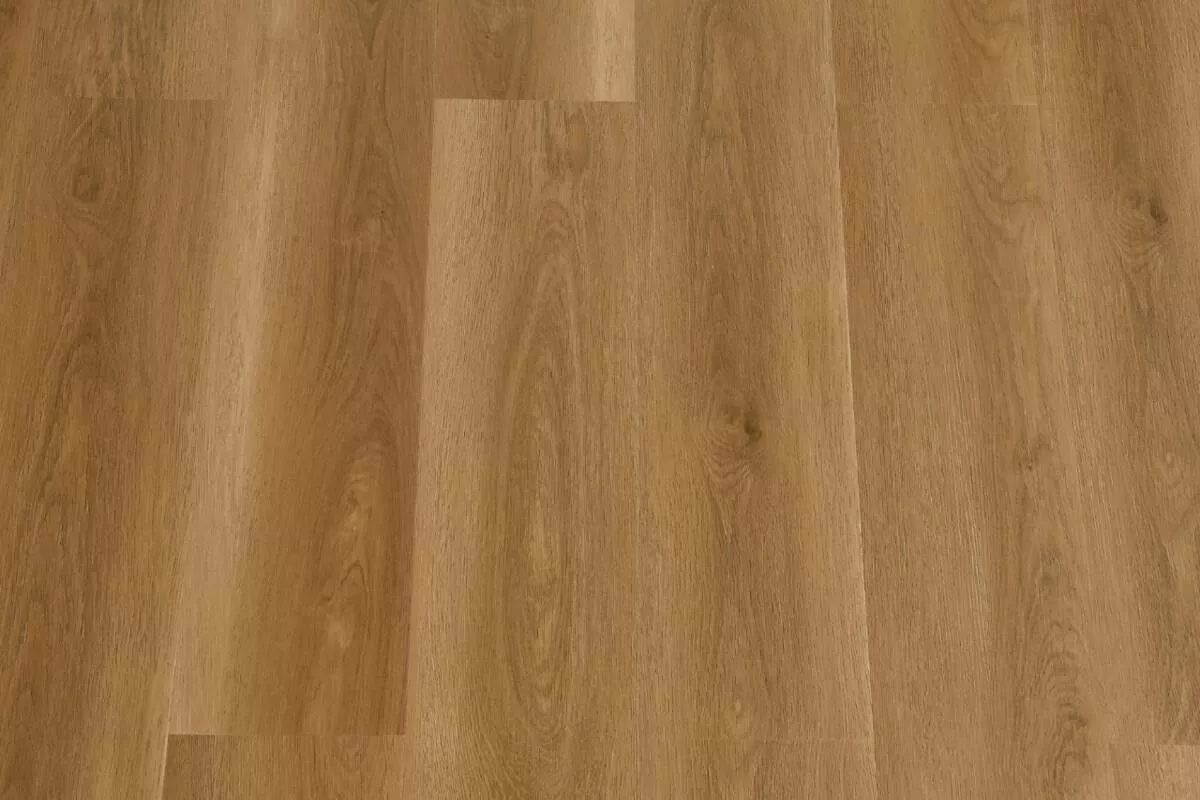
ABA SPC Flooring Inspection: Five Checks Before a Bulk Order
| Check | Evidence to Request | When to Check |
|---|---|---|
| Layer structure | Technical sheet and identified physical sample | Before approving the quotation |
| Layer bonding | Relevant report for the specified construction | Before bulk production |
| Dimensional stability | Test method, conditions, results and product identification | Before bulk production |
| Click-lock fit | Several planks assembled into multiple rows | Sample approval and bulk inspection |
| Batch consistency | Cartons sampled across production and pallet groups | Before shipment |
1. Confirm the Actual ABA Layer Structure
Start by asking what “ABA” means for the product being quoted. Suppliers may use the name for different constructions. For the LVT–SPC–LVT product discussed here, the technical sheet should identify the upper LVT layer, rigid SPC core and lower LVT layer. It should also list the coating, wear layer, decorative film and any attached backing separately.
Check a physical sample alongside that document. View its surface, underside and board edge. Record the product code, plank dimensions, SPC core thickness, total finished thickness and backing specification. Do not assume that visible lines in an edge photograph establish the material or exact thickness of every layer.
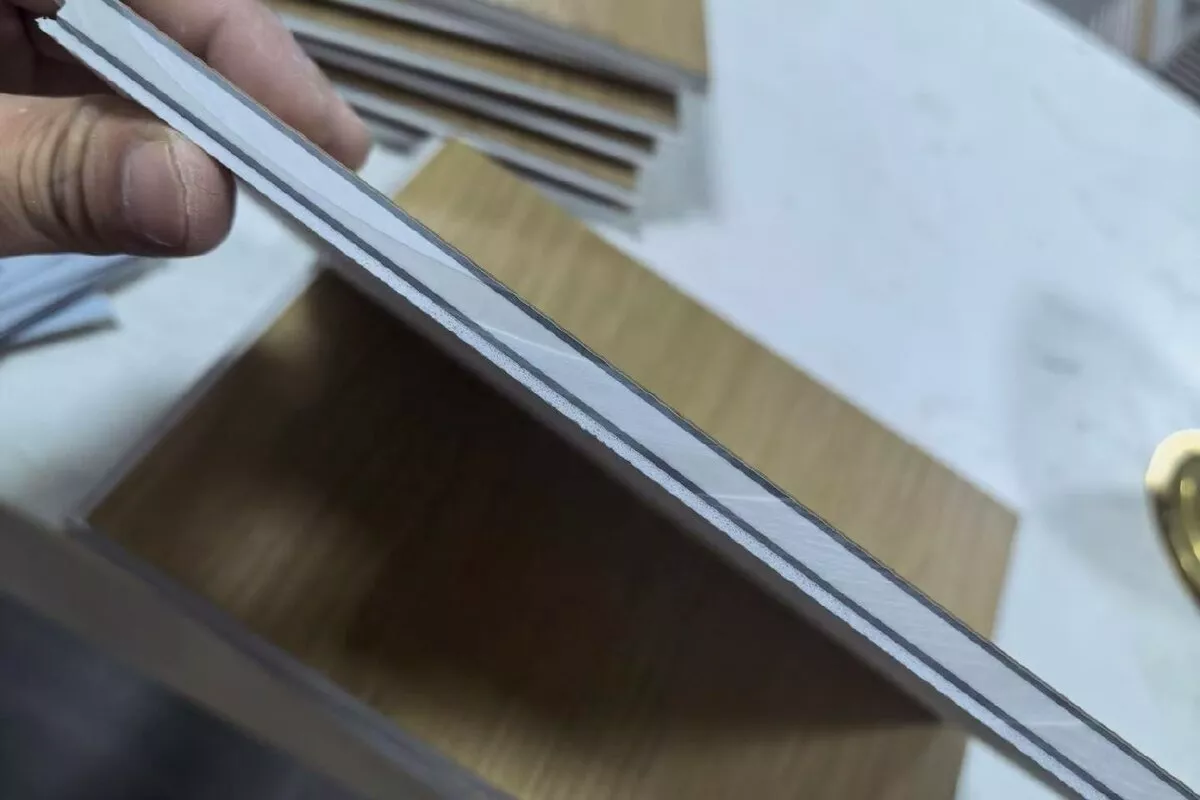
Give the approved sample an identifier that also appears on the quotation and purchase order. This creates a reference for checking whether the bulk shipment is the same product the buyer approved.
2. Ask How Layer Bonding Was Verified
A layered floor needs more than an attractive cut edge. Buyers should ask how resistance to separation between the relevant layers has been assessed for the selected product.
ISO 24345 describes a method for determining peel resistance between two layers of a resilient floor covering. If a supplier provides a report, check which interface was tested, how the specimen was prepared, which product was identified and what result was recorded. Confirm that the method is appropriate for the construction being purchased.
A photograph of someone bending or pulling a plank is not a controlled test report. A report for another thickness or construction should not automatically be used to support this order. Agree on the required evidence and acceptance criteria before production begins.
3. Review Dimensional Stability and Curling Results
Dimensional changes can affect plank flatness, joint appearance and installation. Ask for the test method, exposure conditions, measured results and identification of the tested product.
ISO 23999 describes methods for assessing dimensional stability and curling after heat exposure. A result applies to a particular tested construction under defined conditions. It does not prove that every ABA floor will outperform every standard SPC floor or remain flat under all site conditions.
If a supplier presents a comparison, ask whether the ABA and standard SPC products were tested by the same method under comparable conditions. Our SPC flooring dimensional stability test guide explains what else to check in a report.
4. Assemble Several Planks to Check Click-Lock Fit
A loose plank can show the visible edge profile, but it cannot show how multiple joints fit together across an installed area. Click-lock fit therefore needs a separate practical check.
Use several planks from the approved sample batch to assemble multiple rows. Check whether the joints engage as intended, whether edges remain undamaged during normal installation and whether the connected planks sit evenly. Repeat the agreed trial with planks taken from finished bulk cartons.
Record difficult assembly, visible gaps, raised joints or edge damage. Do not force a poor-fitting joint and then treat the result as acceptable. For more detail, see our SPC flooring click-lock quality checklist.
5. Inspect the Finished Bulk Order
An approved sample defines the target; it does not prove that every carton matches it. Before shipment, agree on a sampling plan covering different cartons, pallets and production stages. Identify separate colors and product constructions individually.
Compare selected bulk planks with the approved sample for décor, surface, thickness, edge condition and backing. Assemble planks taken from the sampled cartons. Record carton codes, pallet references, photographs and any measurements required by the inspection agreement.
If the finished goods differ from the approved standard, identify the affected quantity and resolve the difference before shipment. Clear records are particularly useful for wholesalers planning repeat orders and project buyers receiving material in several delivery batches.
What Should the Purchase Order Include?
Exact ABA construction and product code
Approved physical sample reference
Plank size, SPC core thickness and total finished thickness
Wear layer, décor, surface finish and attached backing
Applicable test methods, reports and agreed acceptance criteria
Click-lock profile and trial-installation requirements
Bulk sampling, carton identification and inspection arrangements
The purchase order should match the final quotation and technical sheet. Our SPC flooring purchase order checklist covers the other production and packing details importers should confirm.
Frequently Asked Questions
Can I confirm ABA SPC layer bonding from an edge photo?
No. A photo can show visible construction and help identify a sample, but it cannot measure resistance to layer separation. Request suitable test evidence for the specified product.
Does an ABA structure guarantee better dimensional stability?
No. ABA products vary in materials, formulation and manufacturing quality. Compare results for the specific products under equivalent test conditions.
Is inspecting one plank enough before a bulk order?
No. Check the approved sample with several planks assembled together. Before shipment, inspect planks sampled from finished bulk cartons under the agreed plan.
Can a report for another product thickness be used?
Do not assume it applies. Check the tested product, construction, thickness and scope of the report against the SKU being ordered.
What should a distributor retain for repeat orders?
Keep the approved physical sample, product code, technical sheet, relevant reports, inspection records and packaging specification. These records establish what the next shipment should match.
Request an ABA SPC Flooring Specification
Send Floren Floor your target market, preferred construction, plank dimensions, backing option, order quantity and required inspection documents. We can review the product brief and prepare a suitable sample and factory quotation for your evaluation.
