
 简体中文
 Français
 لالعربية


For flooring distributors and project buyers, the cheapest price per square meter is rarely the full cost of a product. They also need flooring that can be specified clearly, supplied consistently and installed with fewer avoidable problems.
ABA SPC flooring offers a way to build a more differentiated product range. The LVT–SPC–LVT structure discussed in this guide combines a rigid SPC core with vinyl layers above and below it. Buyers may consider this construction when they want to evaluate stability and product feel alongside standard SPC. The performance of any specific floor still needs to be checked through its samples, specifications and test results.
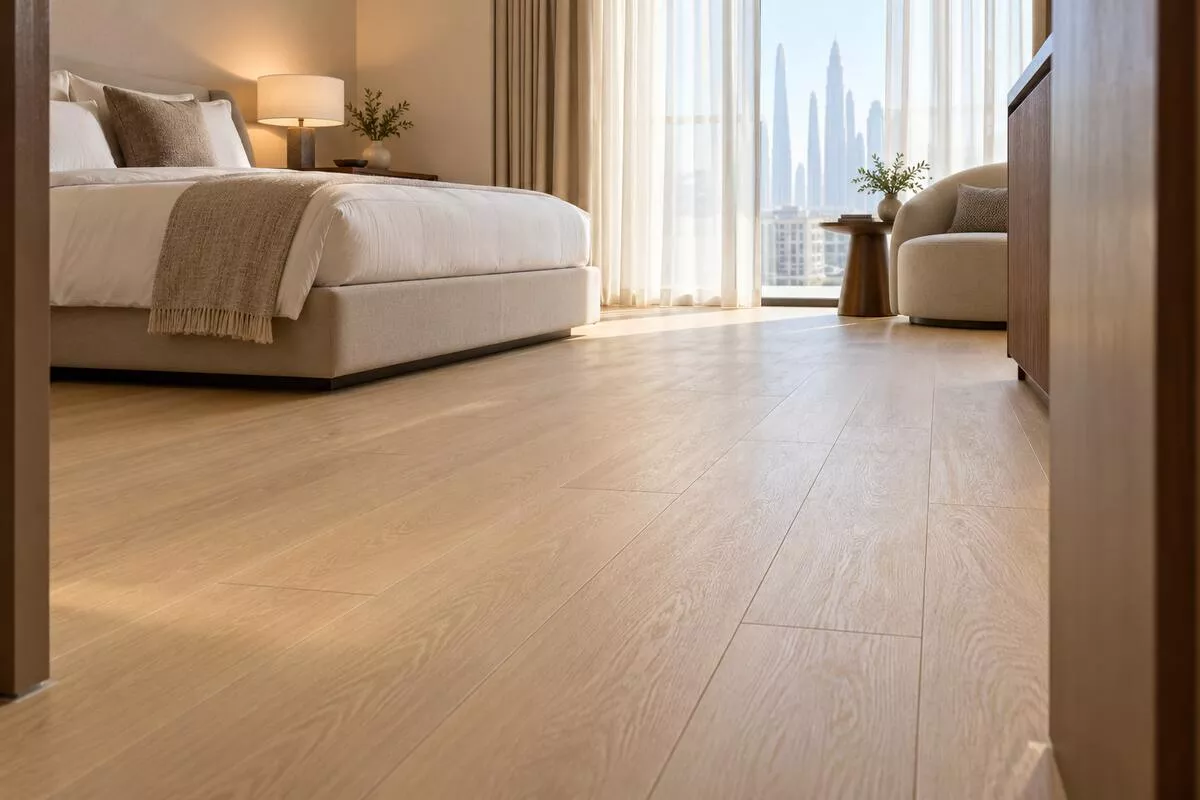
Why Stability Matters to Buyers
A plank can look good as a sample but cause difficulties when thousands of square meters are delivered. Curling, dimensional changes or inconsistent edges may affect installation time, joint appearance and the amount of material needed for replacements.
For a wholesaler, a problem may lead to claims from several customers. For a hotel or apartment project, it can delay installation and handover. That is why a buyer should look for a defined product specification and relevant test results instead of accepting a general promise that a floor is “stable.”
ABA construction is often considered for a premium range because of its layered design. However, the name alone does not prove that every ABA floor is more stable than every standard SPC floor. Formulation, plank dimensions, production control, locking accuracy and installation conditions also influence the result.
What Does ABA Mean in the Product You Are Buying?
Suppliers do not always use “ABA” to describe exactly the same materials. In the structure covered here, an SPC core sits between an upper and a lower LVT layer. The finished plank may also include a surface coating, wear layer, decorative film and attached backing.
Ask the supplier to list these components in the technical sheet. Core thickness, backing thickness and total finished thickness should be stated separately. If two suppliers both quote “ABA SPC flooring,” check their actual structures before comparing prices.
ABA SPC vs Standard SPC: What Should Buyers Compare?
| Buying Point | ABA SPC | Standard SPC | Buyer Check |
|---|---|---|---|
| Construction | Confirm the stated layered structure | Confirm the rigid-core structure | Technical sheet and physical sample |
| Dimensional stability | Check results for the selected ABA product | Check results for the selected standard product | Comparable test methods and conditions |
| Locking performance | Check joint fit and edge consistency | Check joint fit and edge consistency | Multi-row trial installation |
| Product positioning | Can support a differentiated premium range | Can serve a broad range of price points | Customer needs and complete specification |
| Commercial return | Assess premium selling price and full cost | Assess competitive price and full cost | Actual landed cost, sales price and claims |
How to Verify an ABA SPC Stability Claim
Request a dimensional stability and curling report for the product you intend to buy. Check the tested construction, thickness, backing, test conditions and reported results. If a supplier compares ABA with standard SPC, the products should be assessed under comparable conditions.
ISO 23999 describes a method for assessing dimensional stability and curling of resilient floor coverings after heat exposure. Using a recognized test method helps buyers ask better questions, but it does not mean that every product will meet the same project requirement. Agree on the required result and the product to be tested before placing a bulk order.
For a detailed inspection process, read our SPC flooring dimensional stability test guide.
Quality Control Matters as Much as the Structure
A good sample is only the starting point. The production order must match it across the required quantity and, for distributors, across repeat orders.
Before production, approve the physical sample, layer structure, plank dimensions, décor, wear layer, backing and locking profile. During inspection, check the agreed tolerances, surface appearance, straightness, squareness, edges, assembled joints and carton information.
Ask for several planks from the production batch to be assembled together. One loose plank cannot show whether the floor joins neatly across multiple rows. Keep the approved sample and inspection record as references for both parties.
For Wholesalers: Build a Defined Premium Product Range
Many standard SPC products are compared mainly by thickness, color and price. An ABA collection gives a distributor the opportunity to discuss construction and documented product performance in more detail.
Make the range easy for customers to understand. Give each product a clear décor code, plank size, wear layer, finished thickness and backing option. Show a physical sample and the corresponding technical sheet. Sales staff should be able to explain what has been verified without promising that the flooring can never warp or develop installation problems.
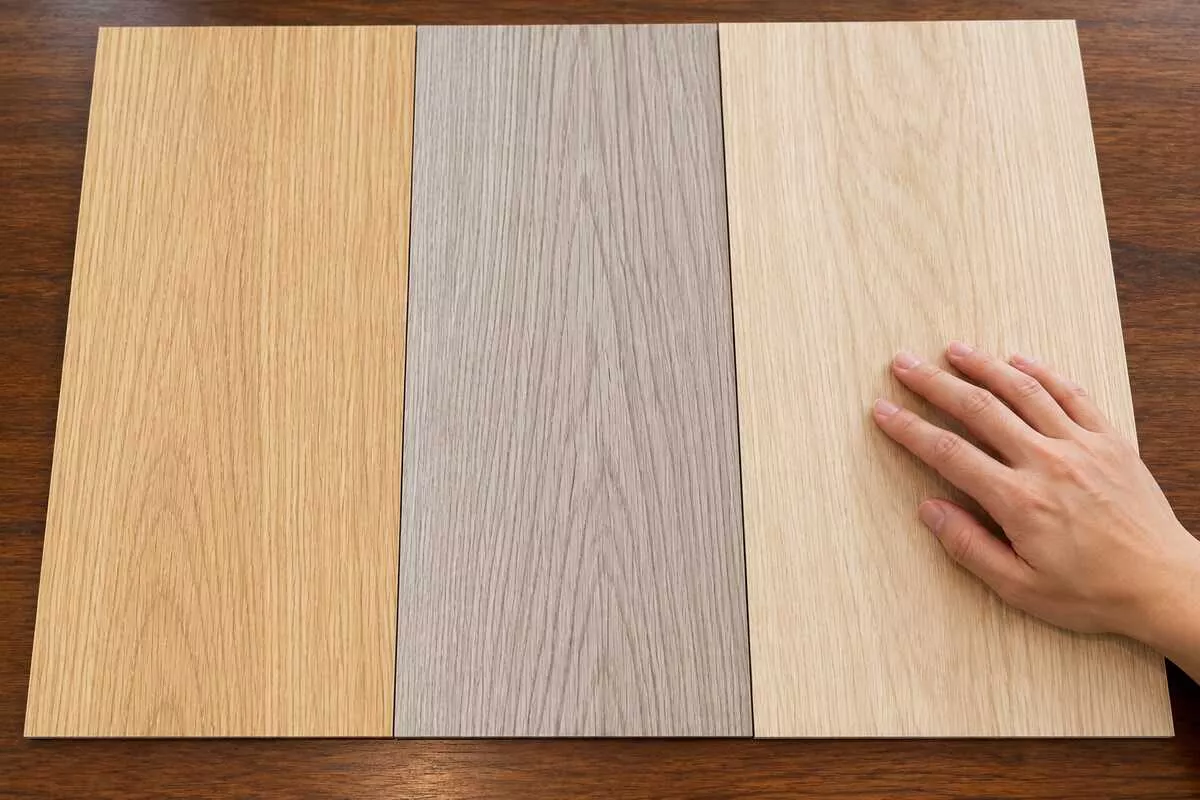
A premium product can create room for a higher selling price, but a higher margin is not automatic. Calculate the full landed cost, including freight, duties, local handling, samples and expected after-sales costs. Then compare that figure with the selling price your customers will accept.
For Project Buyers: Reduce Uncertainty Before Installation
Hotels, apartments and other large projects need consistent material across many rooms. Confirm the approved décor, required quantity, delivery batches and replacement stock before installation starts.
Discuss the real site conditions with the flooring supplier and installer. For projects in the UAE, Saudi Arabia or other markets where flooring may encounter strong sunlight or changing indoor conditions, request relevant product results and installation instructions. A general “heat resistant” description is not enough to approve a project specification.
Subfloor preparation also matters. A flooring structure cannot compensate for an unstable or unsuitable base, and the attached backing must be compatible with the complete floor system.
What to Include in an ABA SPC Purchase Order
Exact ABA layer arrangement and product code
Plank dimensions, SPC core thickness and total finished thickness
Wear layer, surface finish, décor code and approved physical sample
Click-lock profile and attached backing, if required
Applicable test documents and agreed inspection criteria
Quantity by décor, carton labels and pallet requirements
Replacement stock, delivery schedule and agreed trade terms
Our SPC flooring purchase order checklist covers the details that should be confirmed before production. If your product includes a pad, review the IXPE and EVA underlayment guide when defining its finished thickness.
Frequently Asked Questions
Is ABA SPC more stable than standard SPC flooring?
ABA is a different layered construction that buyers may choose to evaluate for stability-focused ranges. Results vary by product. Compare test reports for the specific ABA and standard SPC products under equivalent conditions.
Can ABA SPC help reduce project complaints?
A clearly specified product, consistent production and correct installation can help reduce avoidable problems. No flooring structure guarantees a claim-free project.
Is ABA SPC suitable for a premium wholesale range?
It can be, especially when the distributor can provide approved samples, clear specifications and relevant documents to explain the product to customers.
Will ABA SPC give a distributor a higher profit margin?
It may allow premium positioning, but the margin depends on the actual selling price and full landed and after-sales costs. Calculate these figures for your own market.
What should an importer check before ordering ABA SPC in bulk?
Confirm the exact construction, approved physical sample, technical sheet, relevant tests, locking performance, backing, inspection criteria and purchase-order details.
Discuss Your ABA SPC Flooring Specification
Send Floren Floor your destination market, customer type, preferred construction, plank size, wear layer, backing option, quantity and project requirements. We can review the specification and prepare samples and a factory quotation for your evaluation.
